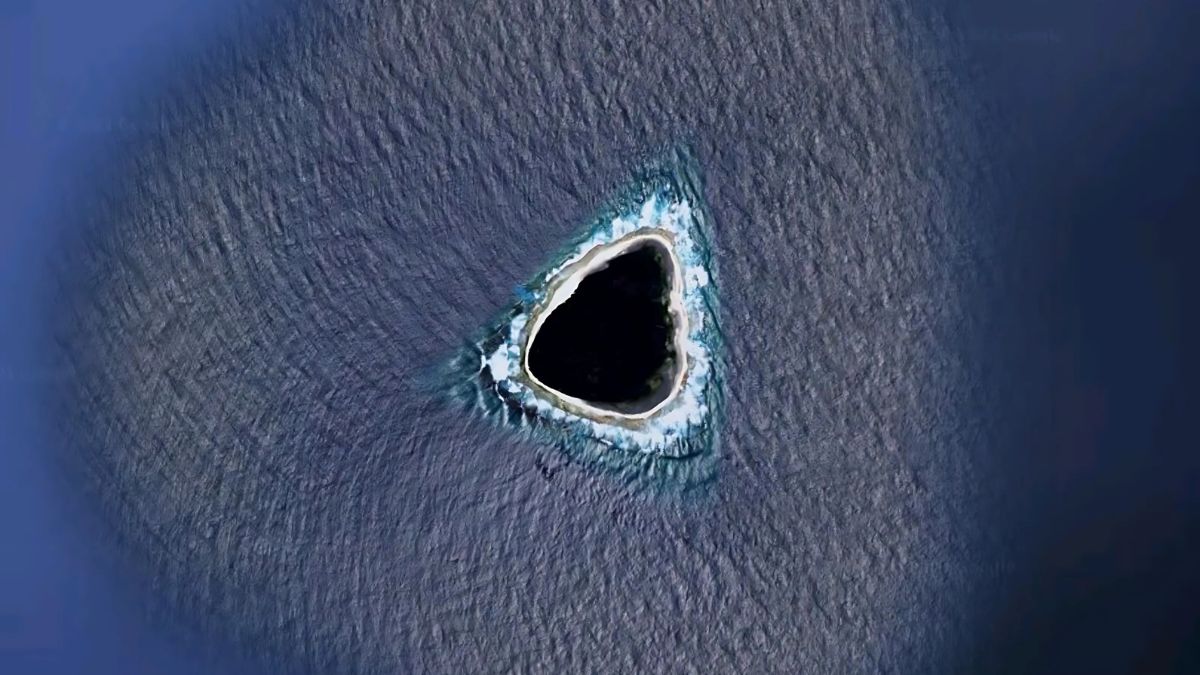
One day, someone scrolling through Google Maps stumbled upon a black triangle in the middle of the Pacific Ocean. It looked so out of place that people online quickly labeled it a “black hole.” Was it a glitch? A secret military base? Or a portal to another world?
Table of Contents
As it turns out, it was none of those things—it was Vostok Island, a remote, uninhabited patch of land owned by Kiribati. But that didn’t stop the internet from going wild. Let’s break down this digital mystery and the reality behind it.
Blackhole
In 2021, users of Google Maps spotted something strange in the vast blue of the Pacific Ocean: a dark, triangular shape that didn’t look like land or water. It looked like a void—a hole in the ocean. No labels, no explanation. Just a weird black patch sitting in the middle of nowhere.
With no immediate answer, the internet did what it does best: it made up its own. And that’s where the theories started.
Theories
When people can’t explain something, they get creative—really creative. Here are some of the conspiracy theories that popped up online about the so-called “black hole”:
- Satellite glitch: Maybe it was just a mistake in the image stitching process.
- Censorship: Some believed governments were hiding a secret military base or research lab.
- Hidden portal: Why not go full sci-fi? Some imagined it was an entry point to another dimension or a secret place like Atlantis.
- Matrix glitch: A few took it even further—was this a sign we’re all living in a simulation?
While fun to read, none of these were true. The answer was much simpler—and more down-to-earth.
Vostok
That mysterious black patch? It was Vostok Island, a small island belonging to the Republic of Kiribati, a Pacific island nation. The island isn’t new. It’s been known to scientists and governments for decades. So, why did it look like a dark void from space?
The reason lies in the trees.
Trees
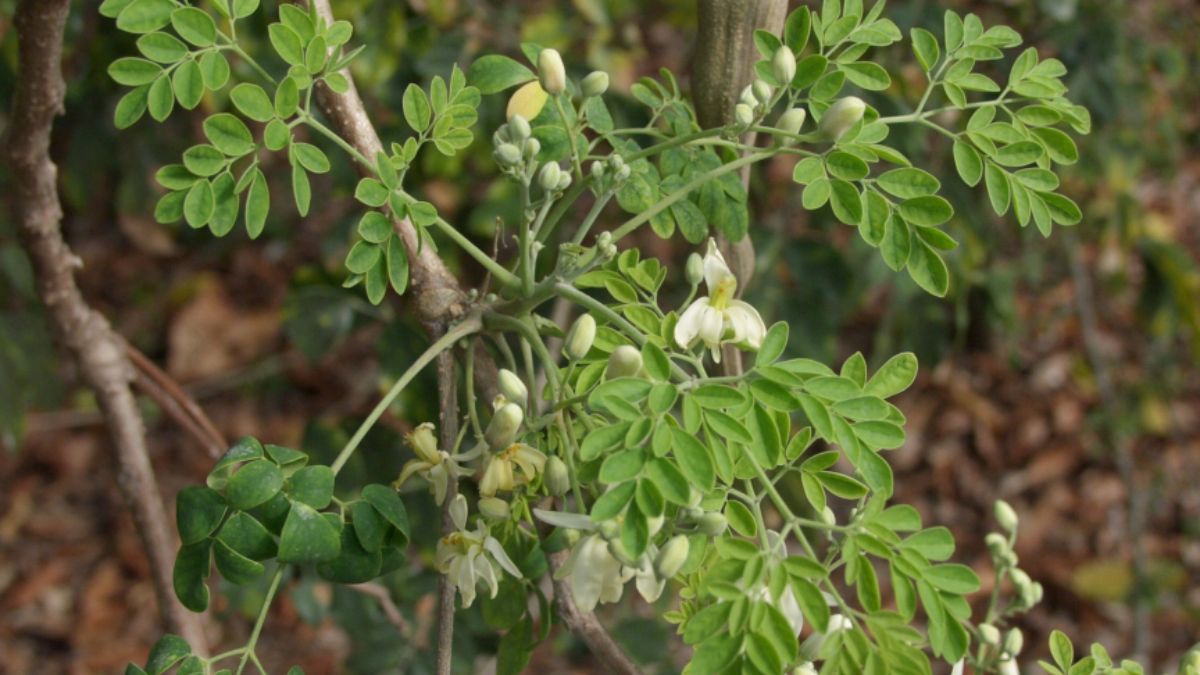
The entire surface of Vostok Island is covered in dense Pisonia trees. These trees grow so closely together that they form a thick, dark canopy. Their leaves are deep green—almost black—and very little light reflects off the island from space.
When satellites capture the image, it appears unusually dark, especially when compared to the bright blue of the surrounding ocean. That’s why it looked like a “black hole” on Google Maps.
Reality
Vostok Island isn’t a paradise, either.
It has no freshwater, no infrastructure, and is incredibly difficult to reach. You won’t find hotels, resorts, or even shelters. The island is protected by the Kiribati government, and no one lives there. It’s mostly visited by scientists who study its isolated ecosystem, flora, and seabirds.
So no, you can’t vacation there. And no, there’s no portal to another world (unless you’re counting biodiversity research).
Lesson
This whole Vostok Island episode teaches us something important: don’t believe everything you see—or read—online. Just because something looks strange doesn’t mean there’s a cover-up or mystery behind it.
Yes, it’s fun to look into the world with Google Maps. And yes, it’s exciting to discover weird shapes and odd locations. But always take a step back, do some digging, and look for scientific explanations first. Often, the truth is much cooler—and more interesting—than fiction.
So, next time you stumble on a weird black shape in the middle of nowhere, think twice before you yell “black hole.” It might just be a bunch of trees.
FAQs
What is the Vostok Island black hole?
It’s a dense island covered in dark trees, not a black hole.
Where is Vostok Island located?
In the Pacific Ocean, part of the Kiribati nation.
Why did Vostok look black on Google Maps?
Dense Pisonia trees block light, making it appear dark.
Can you visit Vostok Island?
No, it’s uninhabited, isolated, and has no resources.
Was it censored or hidden?
No, the dark image was due to natural tree cover.