
If you’ve noticed a sudden uptick in eight-legged visitors around your home lately, you’re not imagining it. We’re right in the middle of spider mating season, which peaks from September through early November. During this time, spiders start crawling indoors to escape the chill and, unfortunately, start looking for a mate—right in your warm living spaces.
Table of Contents
So what can you do? Fortunately, there’s an easy, affordable solution using a common household item that’s probably already sitting in your kitchen: white vinegar.
Season

As temperatures drop, spiders search for shelter, warmth, and a place to breed. This seasonal behavior makes autumn the prime time for indoor spider sightings. They squeeze in through small cracks, hide in corners, and start spinning webs in undisturbed areas like basements, attics, or behind furniture.
That’s why experts are urging homeowners to take preventative action now, before your home becomes their mating ground.
Entry
Spiders typically enter homes through:
- Windowsill gaps
- Door frame cracks
- Vents and pipe openings
- Unsealed foundations

Once inside, they look for cozy spots where they won’t be disturbed. Think behind curtains, under beds, or in that corner of the ceiling you keep ignoring.
Vinegar
Now here’s the good part: white vinegar isn’t just for cleaning. It’s also a natural spider repellent.
Spiders rely on chemoreceptors in their legs to “smell” their environment. The strong, acidic scent of vinegar overwhelms and confuses their senses, making them avoid treated areas altogether.

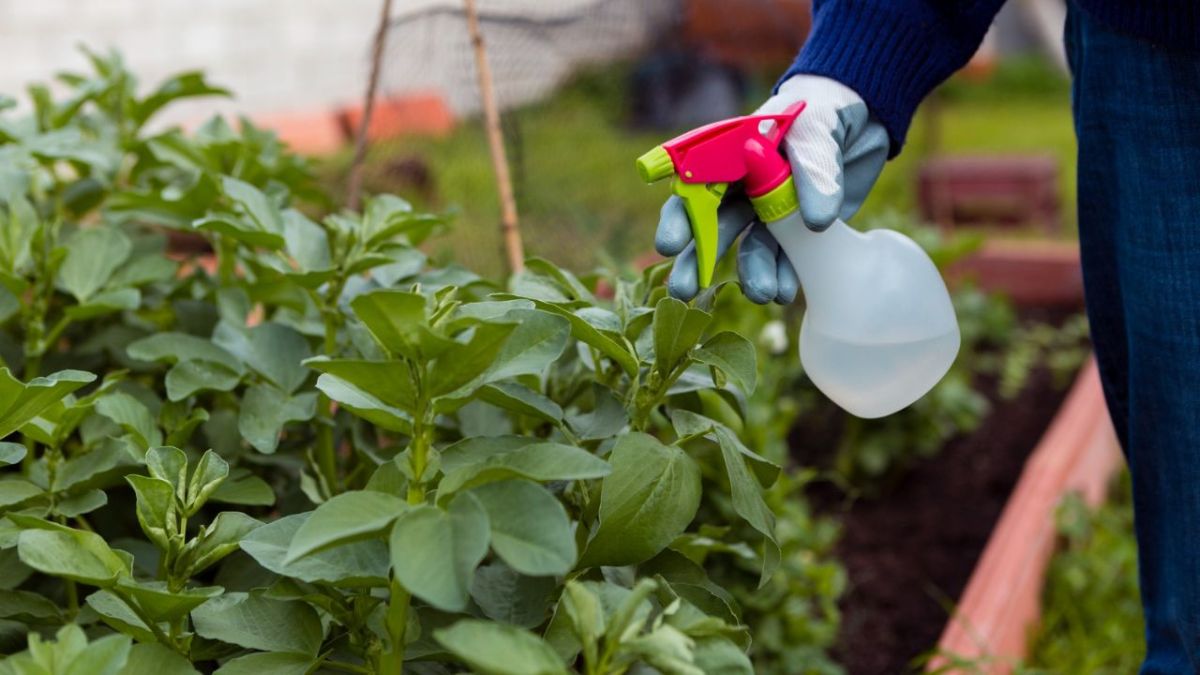
To make your own spider-repelling vinegar spray, follow this quick recipe:
DIY Vinegar Spider Repellent
| Ingredient | Amount |
|---|---|
| White vinegar | 1 part |
| Water | 1 part |
Instructions:
- Mix equal parts vinegar and water in a clean spray bottle.
- Shake well.
- Spray around doors, windows, baseboards, vents, and any known entry points.
- Reapply weekly or after cleaning.
Tip: Avoid spraying on varnished or polished surfaces, as vinegar may dull the finish.
Peppermint
Not a fan of the vinegar smell? You can also repel spiders with peppermint oil. Just like vinegar, peppermint’s strong fragrance overwhelms spiders’ senses, making it an effective natural deterrent.
Peppermint Spider Spray
- Add 15–20 drops of peppermint essential oil to a spray bottle filled with water
- Shake thoroughly
- Spray in corners, closets, and dark spots where spiders might hide
You can also soak cotton balls in peppermint oil and place them on windowsills or behind furniture.
Plants
Certain plants naturally repel spiders, too. If you prefer greenery over sprays, consider adding one or two of these to your home:
Spider-Repelling Plants
| Plant | Caution for Pets |
|---|---|
| Lavender | Safe |
| Mint | Can be invasive |
| Basil | Safe |
| Citronella | Safe |
| Rosemary | Safe |
| Eucalyptus | May be toxic |
| Lemon Balm | Safe |
| Marigolds | Safe |
| Chrysanthemums | May be toxic |
Note: Always check plant safety if you have pets.
Prevention
Alongside using repellents, take these simple steps to spider-proof your home:
- Seal cracks and gaps around doors and windows
- Vacuum regularly, especially in corners and under furniture
- Keep clutter low, especially in basements and attics
- Use natural sprays or oils weekly during spider season
Action
Spiders may be great for controlling other insects, but most people don’t want them hanging out in their homes—especially in large numbers during mating season. With just a few minutes and a bit of vinegar or peppermint oil, you can keep them away without harsh chemicals or expensive treatments.
So next time you spot a spider crawling across your wall, skip the panic. Grab your spray bottle, and send them packing—naturally.
FAQs
When is spider mating season?
It peaks from September through early November.
Does vinegar kill spiders?
No, it repels them by overwhelming their sense of smell.
How do I make a vinegar spray?
Mix equal parts white vinegar and water in a spray bottle.
What smells keep spiders away?
Vinegar and peppermint oil are both effective natural repellents.
Can I use these sprays on all surfaces?
Avoid varnished or polished surfaces, as vinegar can damage them.